

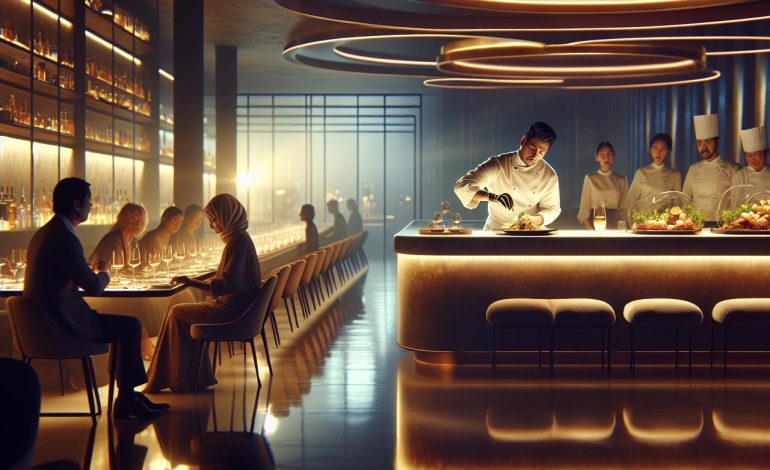
Premium Dining: Turning Every Seat Into A Stage For Luxury
Premium dining is no longer just white tablecloths and a long tasting menu. Today, luxury and fine dining are about crafted experiences that feel personal, story driven, and worth every rupee or dollar spent. If you operate in the food and beverage industry, this is the arena where brands are built, trends are born, and margins can be truly premium.
The New Luxury: From Fine Dining To Experiential Storytelling
Step into an upscale restaurant in Mumbai, Dubai, or London today and you will notice a clear shift – guests are buying a story and a feeling, not just a gourmet plate. Premium dining has become experiential, blending theatrical service, food technology, sensory design, and hyper curated hospitality. As James Beard Foundation trend reports highlight, even tasting menus are evolving toward “affordable luxury” that still feels indulgent and distinctive.
For founders and operators, this means rethinking luxury from the ground up. Upscale dining is no longer reserved only for status driven occasions. Guests expect a relaxed yet polished environment, culturally rich menus, and service that anticipates needs without being stiff. In many markets, especially India and the Middle East, premium dining is merging with lifestyle – from chef led bars and members only lounges to immersive, multi course experiences with live storytelling.
Why Premium Dining Still Matters In A Value Conscious World
Despite the rise of QSR, cloud kitchen business models, and casual formats, premium dining plays a critical strategic role in food business growth. A strong luxury concept can become the halo brand that lifts your entire portfolio – influencing everything from brand perception to menu pricing in your other outlets. Industry data from global firms like McKinsey shows that experiential and premium segments continue to capture a disproportionate share of high margin spend, even when consumers cut back on routine meals out.
At the same time, operators can no longer rely only on aesthetics. Guests are more informed about food safety, sustainability, and provenance. They expect luxury and responsibility to go hand in hand, which is exactly where the right Food Business Experts and food industry consultant partners can help shape the strategy behind the stage.
Key Food Industry Trends Shaping Premium Dining
1. Luxury Without Waste: Sustainability As A Status Symbol
Sustainability has become a defining value signal for upscale and fine dining concepts. According to research from the Institute of Food Technologists (IFT), more than 60 percent of global consumers say environmental impact influences their food choices, and younger diners are especially tuned into waste, sourcing, and transparency.
Premium guests now ask where the caviar is sourced, how seafood is harvested, and what happens to trim and surplus. Fine dining kitchens are using food technology and tight food consulting to run near zero waste operations – turning vegetable offcuts into broths, aging meats in controlled environments, and repurposing surplus into staff meals or specials. Sustainable food brands and luxury restaurants are increasingly aligned in language, storytelling, and performance metrics.
food processing consultants and Food Processing Plant Consultancy Services play a crucial role when hospitality groups integrate central kitchens or frozen mise en place for consistency and waste reduction. A capable Food Processing Services firm can help operators design back end systems that enable luxury level quality with industrial level control.
2. Hybrid Luxury: Fine Dining Precision, Casual Energy
Another powerful food industry trend is the blurring of casual and luxury. Many Michelin level chefs now operate bistros, chef counters, and tasting menu bars that feel more intimate and less formal. Reports on 2026 restaurant trends point to “hybrid dining concepts” where guests can enjoy gourmet techniques in approachable settings with dynamic pricing.
One restaurant in Mumbai, guided by experienced Restaurant Setup Consultants and an indian restaurant consultant, radically reduced seating capacity, introduced a chef’s table, and shifted to a 7 course premium menu three nights a week while running a smart a la carte model on weekdays. Revenue per cover increased, staff productivity improved, and the brand’s perception moved sharply into the premium dining space without expanding real estate.
For growing brands, food consultancy service providers and food business consultants can help decide where to sit on the spectrum – from destination fine dining to accessible premium, or even a dual brand model that leverages central production using Food Processing Plant Consultancy expertise.
3. Tech Enabled, Human Led Experiences
In modern upscale restaurants, technology works behind the curtain so humans can shine in the spotlight. Reservation and CRM tools track guest preferences, AI powered forecasting improves purchasing, and modern POS data informs menu engineering. According to multiple hospitality studies, venues using advanced food technology and data driven planning can reduce food costs by up to 3 to 5 percentage points while increasing guest satisfaction.
However, premium dining guests do not want to feel like they are in a lab. They want to be recognized, remembered, and thoughtfully surprised. food and beverages consultants and qsr consultants who also understand luxury service design are helping brands use tech to support, not replace, genuine hospitality. A well set up CRM can alert the sommelier that a repeat couple prefers low intervention wines, or remind the chef about a guest’s shellfish allergy before they walk in.
4. Premium Dining Beyond Four Walls: Cloud And Frozen Extensions
Luxury is no longer locked inside a dining room. Some of the smartest food and beverage industry leaders are extending their premium equity through high quality at home offerings. Carefully designed frozen, chilled, or ready to assemble experiences can carry the brand into living rooms without diluting its positioning.
Frozen food consultants and food product development consultants are collaborating with chefs to translate signature sauces, breads, desserts, or broths into retail ready SKUs. With the right food factory design consultants and a Turnkey Food Factory Consultant, an upscale restaurant group can launch a boutique production facility that supports retail and B2B distribution while upholding strict food safety and quality standards.
Similarly, a cloud kitchen business can house a “satellite” of a luxury brand for specific formats – for example, a premium burger, dim sum, or dessert concept linked to a flagship fine dining venue. Here, Food Consultant Services and Food Consultants can ensure that brand DNA, recipes, and equipment choices are aligned across formats.
Designing A Premium Dining Concept That Works
Clarify Your Positioning On The Luxury Spectrum
Not every gourmet brand needs to be ultra luxury. The spectrum runs from elevated casual to contemporary upscale to classic fine dining with grand service. Clarity is crucial. Food Industry Consultant teams often start with guest personas, price bandwidth, and competitive benchmarking. Do you want to be the city’s celebration restaurant, the chef’s counter for culinary explorers, or the hotel’s experiential flagship that anchors F&B revenues?
Premium dining thrives when the concept, pricing, and experience are in harmony. A beautiful room with confused menu pricing or inconsistent service can damage brand equity quickly. Food beverages consultant partners and Cafe Consultant specialists help align design, lighting, acoustics, and seating layouts with your chosen level of luxury.
Engineer Menus For Margin And Memory
In a world of shrinking menus and focused execution, your premium menu must be both profitable and unforgettable. According to the USDA and allied data sources, food cost volatility has remained high in recent years, with certain proteins and imported ingredients seeing double digit price shifts. This makes menu engineering and supplier strategy central to food business growth.
Food Processing Plant Consultancy and Food Factory Consultant teams can help centralize complex mise en place, smokery, aging, or pastry production so that on site teams focus on finishing and plating. This supports consistent gourmet quality while managing labor and waste. Meanwhile, Food Processing Consultants can advise on techniques like low temperature cooking, blast freezing, and advanced packaging that protect flavor and premium perception.
Build A Culture Of World Class Service
Premium dining is where hospitality becomes theater. Everything from tone of voice to plate choreography signals value. As one New York based chef owner recently put it, “Luxury is the feeling that nothing is missing and nothing is too much.” That quote captures the paradox premium operators must manage: attentiveness without intrusiveness, drama without pretension.
Food Business Experts who specialize in restaurant consulting often start by mapping the guest journey touchpoint by touchpoint – from reservation confirmation to check presentation. Training becomes an ongoing process, not a one time event. When staff understand the stories behind dishes, the sourcing philosophy, and the brand’s purpose, they become confident storytellers, not just order takers.
Practical Strategies To Elevate Your Premium Dining Experience
Three High Impact Moves For The Next 12 Months
Whether you run a stand alone fine dining room, a hotel restaurant, or a multi city group, you can apply these actionable strategies now.
- Redesign the guest journey around micro moments. Map every interaction – arrival, seating, water service, menu presentation, mid meal check, farewell. Decide one small, delightful touch for each. This might mean a custom welcome bite, a personalized wine suggestion, or a chef’s note for returning guests. Food consulting experts can help embed these rituals into SOPs.
- Use data to create a “luxury of knowing.” Invest in simple but robust CRM and feedback tools. Track allergies, preferences, special dates, and spending patterns. Share these insights at pre service briefings so the team can offer intuitive hospitality. Food and Beverages Consultants can integrate this with your POS and reservation systems.
- Create one scalable premium extension. Identify a hero product – signature bread, spice blend, dessert, or sauce – and explore retail or cloud kitchen business channels with support from Food Processing Plant Consultancy Services and Frozen food consultants. This not only adds revenue but deepens brand love.
Case Snapshot: Turning A Traditional Restaurant Into An Experiential Flagship
Consider a legacy North Indian restaurant in Delhi that had been popular for decades but was losing younger guests to chic, experiential venues. With guidance from Restaurant Setup Consultants and an experienced Food Industry Consultant, the owners reframed the space into an upscale experiential concept centered on “Royal Kitchens of India.”
The transformation included curated playlists, subtle fragrance aligned with regional spices, reimagined plating with contemporary aesthetics, and a tasting journey format on weekends. Back of house, Food Processing Plant Consultancy Services helped redesign prep flows and install modern equipment for slow cooking and smoke control. Within 12 months, average check size increased by over 25 percent, and private event demand grew significantly, supporting overall food business growth.
Risk Management: Food Safety, Consistency, And Compliance
Premium dining magnifies both excellence and errors. A single lapse in food safety or service can impact reputation overnight. Upscale restaurants must treat safety and compliance as part of luxury, not a back end chore. Today’s affluent guests are well informed and often reference regulatory standards and certifications.
Consulting teams like Food Processing Services firm specialists and Food Consultants support operators in implementing HACCP, traceability, and documentation routines that withstand scrutiny. As regulations evolve and transparency expectations rise, a strong partnership with Food Processing Consultants and Food Business Consultants helps keep you ahead of audits and public reviews.
Where Premium Dining Meets The Future Of Food
Looking ahead, premium dining will sit at the intersection of artistry, science, and conscience. Hyper cultural menus, screen free spaces, and deeper guest connection are no longer niche ideas but mainstream expectations, as highlighted by trend trackers like FoodNavigator. At the same time, operators must remain agile to economic swings, global supply disruptions, and shifting consumer values.
For ambitious founders, teaming up with the right Food Consultant Services and Food Business Experts is like moving from playing by ear to conducting a full orchestra. You still own the creative vision, but every section – kitchen, bar, service, technology, central production – plays in harmony.
As one seasoned operator put it, “Premium is not about being expensive, it is about being intentional.” If you are ready to design or upgrade an upscale, luxury, or experiential dining concept, this is the moment to rethink every detail, from menu engineering and food technology to cloud kitchen business extensions and sustainable food brands alignment.
To turn those ideas into a profitable, future ready premium dining reality, you do not have to walk the road alone. Partner with a seasoned food consultancy service that lives and breathes strategy, design, and execution in the premium space. The team at Tech4Serve brings deep experience as Food Business Consultants, Food Processing Consultants, and end to end Food Consultant Services providers, helping brands across formats deliver unforgettable luxury experiences that also make business sense. If you are serious about elevating your fine dining or upscale concept, now is the time to start a conversation.
Frequently Asked Questions (FAQs)
How is premium dining different from traditional fine dining today?
Premium dining today goes beyond classic fine dining rituals to focus on holistic, experiential value – thoughtful storytelling, immersive design, and hyper personalized service wrapped around gourmet food and beverage. While traditional fine dining often emphasized formality, long tasting menus, and strict etiquette, modern premium concepts blend relaxed luxury with precision, using food technology, data, and smart restaurant consulting to engineer experiences that feel both special and contemporary. Recent trend coverage by the James Beard Foundation shows how “affordable luxury” tasting menus and hybrid concepts are reshaping what guests expect from upscale and fine dining venues.
Can a cloud kitchen business successfully build a premium or luxury brand?
Yes, but it requires very intentional design, packaging, and communication, because you lack the physical theater of a dining room. For a cloud kitchen business to play in the premium or gourmet space, every touchpoint must signal quality – from sourcing and food safety standards to packaging aesthetics, delivery unboxing, and digital storytelling. Some operators use a flagship dine in outlet for full experiential premium dining while running satellite cloud kitchens to extend access to signature dishes, supported by Food Processing Plant Consultancy and Food Product Development Consultants who ensure that recipes and textures travel well. Done right, this hybrid model can unlock attractive margins and brand loyalty.
What role do consultants play in building a successful premium dining concept?
Experienced Food Business Consultants and Food Industry Consultant teams act as strategic co pilots for premium dining projects, helping owners avoid costly trial and error. They support market research, positioning, menu strategy, food factory design consultants engagement, guest journey design, and operational systems ranging from food safety to financial controls. When central production or retail extensions are involved, Food Processing Plant Consultancy Services and Frozen food consultants help specify equipment, plan flows, and set quality standards. Partnering with expert Food and Beverages Consultants like Tech4Serve allows you to balance creativity with commercial rigor.
How can an existing mid scale restaurant upgrade into an upscale or gourmet brand?
Upgrading into premium or gourmet territory is less about one big renovation and more about a series of precise, strategic shifts. Start by clarifying your desired positioning and guest profile, then redesign the menu with focused, high impact dishes that justify an upscale perception while remaining operationally feasible. Work with Food Consultants or Restaurant Setup Consultants to refine interiors, lighting, tableware, and service scripts so every detail aligns with the new promise. In many cases, integrating a small tasting menu, chef’s table, or experiential corner, supported by professional food consulting and Food Processing Consultants for back end efficiency, can transform perception and pricing power without changing your entire footprint.


