

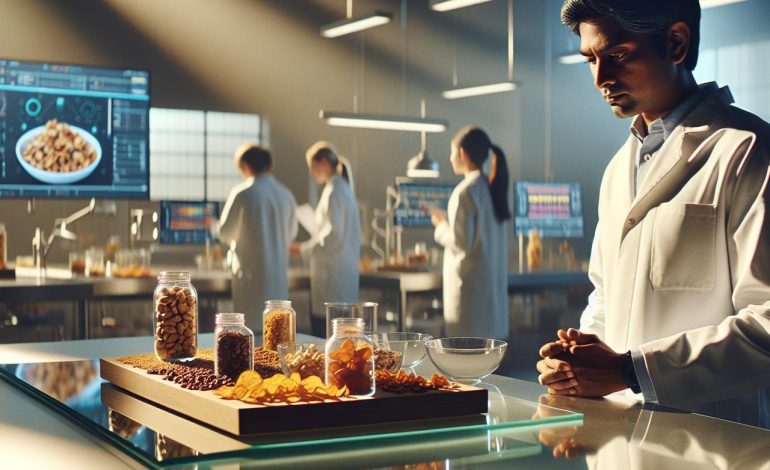
The Crunch Revolution: How Texture Innovation is Reshaping the Global Food Industry
Texture has quietly become the most powerful weapon in a food brand’s arsenal, and the data proves it. In 2025, consumers aren’t just asking what’s in their food—they’re demanding how it feels in their mouth. The rise of crunch as a dominant sensory trend is transforming everything from breakfast cereals to plant-based snacks, creating unprecedented opportunities for food and beverage industry players willing to innovate beyond flavor alone.
Further Reading from Tech4Serve
- AI & Automation in Food Processing
- Build Profitable Cloud Kitchens
- Eco‑Smart Food Factories in India
Understanding the Texture-Driven Consumer Shift
The snacking revolution isn’t about filling stomachs anymore; it’s about creating memorable eating experiences. Consumers are increasingly reaching for products that deliver satisfying crunch across all dayparts—crispy grains and granola at breakfast, roasted chickpeas at lunch, and dehydrated fruit candies as evening treats. This textural obsession reflects a broader shift in the food industry trends toward multisensory engagement, where mouthfeel has become as important as nutritional value.
What makes this trend particularly compelling for restaurant and cloud kitchen operators is its versatility. Whether you’re running a delivery-only ghost kitchen or managing a brick-and-mortar establishment, texture innovation offers a cost-effective differentiation strategy. By layering crunch into existing menu items—through sprouted nuts, fermented grains, or mushroom chips—food business growth becomes achievable without requiring complete menu overhauls.
The texture trend also aligns perfectly with the premiumization movement sweeping through fine dining and experiential restaurants. Consumers are willing to pay more for products that deliver surprising textural contrasts. A simple salad becomes memorable when topped with roasted chickpea crumble; a dessert transforms into an Instagram moment when paired with a candied, airy crunch topping.
The Science Behind Crunch Appeal
From a food technology perspective, achieving optimal crunch requires precision. Modern food manufacturers are investing heavily in dehydration techniques, spray-drying processes, and fermentation methods that preserve structural integrity while enhancing flavor. According to the Institute of Food Technologists (IFT), texture innovation now ranks among the top priorities for food product development labs globally, with particular emphasis on creating shelf-stable crunch that maintains quality throughout its lifecycle.
For restaurants and food service operators, this means sourcing becomes critical. Partnering with ingredient suppliers who understand texture stability—from harvest through storage—directly impacts your ability to deliver consistent customer experiences. Food safety considerations also intensify with textural components, as multiple ingredient layers increase complexity in traceability protocols and allergen management.
The cloud kitchen business model particularly benefits from texture trends because the sensory experience translates well to takeaway and delivery formats. Unlike fine dining’s plating artistry, crunch is tactile and immediate—it survives the delivery journey and maintains its appeal. This makes texture-forward menu innovation ideal for entrepreneurs building delivery-only virtual brands.
Practical Applications Across Food Categories
The beauty of the crunch revolution is its applicability across virtually every food category. Beverage innovators are introducing texture through popping boba variants and carbonation techniques. Bakery operations are experimenting with sourdough’s naturally fermented crunch as a base for everything from pizza crusts to brownies. Protein-focused brands are layering roasted nuts and sprouted seeds into bars and snacks, capitalizing on consumers’ desire for both texture and nutritional substance.
For food business growth, this diversification means existing suppliers and manufacturers can expand their portfolios without completely retooling operations. A granola producer, for instance, can pivot into sprouted nut clusters or dehydrated fruit candy with relatively modest additional investment in processing equipment and food technology expertise.
Texture Innovation in Fine Dining and Premium Segments
High-end establishments are taking texture innovation to theatrical extremes. Chefs are creating crème brûlée espresso martinis with caramelized crunch tops, and pistachio-topped pastries are commanding premium pricing. This premiumization strategy transforms texture from a commodity attribute into a luxury experience. Restaurant consulting firms increasingly advise clients that texture differentiation justifies higher price points and generates strong social media engagement—essential for today’s digital-first consumer base.
Integration with Functional Foods and Clean Labels
Texture innovation doesn’t exist in isolation; it’s converging with the clean label movement and functional food trends dominating 2025. Consumers want crunch derived from recognizable ingredients—sprouted grains, fermented nuts, roasted legumes—not artificial texturizers. This preference aligns beautifully with sustainable food brands positioning themselves as transparent and ingredient-focused. Brands combining textural appeal with functional benefits (like sprouted nuts for digestive enzyme content or fermented components for probiotic value) capture premium margins while building consumer loyalty.
Texture Trends and Sustainable Food Business Models
Sustainability considerations are reshaping how texture innovations are produced and sourced. Dehydration techniques require significant energy investment, prompting food manufacturers to explore renewable energy solutions and water-efficient processes. For sustainable food brands, transparent communication about sourcing and production methods becomes a selling point. Consumers increasingly expect brands to articulate their environmental footprint, particularly when promoting novel textural ingredients.
Cloud kitchen operations have a distinct advantage here. By focusing on delivery-only models, they eliminate the resource-intensive front-of-house infrastructure, allowing greater investment in food technology and ingredient quality. A well-managed ghost kitchen can prioritize sustainable sourcing of textural components—locally-sourced nuts, regionally-grown legumes for roasting—while maintaining cost competitiveness.
According to recent data from Statista, the global snack market is projected to exceed $500 billion by 2027, with texture-differentiated products commanding premium pricing segments. This expansion directly translates to opportunities for restaurant consulting professionals and food business consultants specializing in menu engineering and product innovation.
Implementation Strategies for Food and Beverage Operators
If you’re operating in the food and beverage industry, here’s how to capitalize on the texture trend without overwhelming your operations:
- Audit your current menu for texture opportunities: Identify three existing dishes lacking textural contrast. Add sprouted nuts, fermented grains, or roasted chickpeas without completely reformulating recipes. Test with your delivery platform customers first to gauge reception and gather feedback for refinement.
- Partner with reliable ingredient suppliers: Texture consistency is non-negotiable. Build relationships with suppliers who specialize in shelf-stable, high-quality textural components. Request samples, conduct shelf-life testing, and document your food safety protocols meticulously to ensure compliance and traceability across your supply chain.
- Leverage food technology for competitive advantage: Invest in equipment that enables you to create unique textural experiences in-house—a small dehydrator for fruit chips, a quality fryer for roasting nuts and legumes, or fermentation vessels for sourdough and sprouted ingredients. These modest investments signal innovation to customers and improve margins.
- Tell the story behind your texture: Educate customers about your sourcing, production methods, and nutritional benefits. This narrative-driven approach transforms a textural feature into a brand story, particularly powerful for sustainable food brands and premium segments.
- Test and iterate rapidly: Use your delivery channels and loyalty programs to A/B test texture variations. Track which combinations resonate strongest, then scale successful innovations. This agile approach is especially effective for cloud kitchen business models operating with lower overhead.
The Bigger Picture: Food Industry Trends Converging Around Texture
The crunch revolution doesn’t exist in a vacuum. It’s intersecting with several major food industry trends reshaping the competitive landscape. The push for clean labels means textural innovations must use whole, recognizable ingredients. The rise of GLP-1 medications is driving demand for higher-protein, lower-calorie snacks with satisfying crunch—perfect for muscle maintenance during weight loss. AI and automation in restaurant kitchens are enabling precise texture control through advanced cooking techniques and ingredient processing.
For food business growth specifically, texture innovation offers a democratizing advantage: you don’t need massive R&D budgets to compete. A thoughtfully designed cloud kitchen with smart sourcing and attention to textural contrast can outperform larger competitors hampered by rigid supply chains and legacy menu structures. Food Processing Consultants and Bakery Consultants increasingly emphasize texture as a value-creation lever precisely because it’s accessible to smaller operators.
Food safety and traceability become increasingly important as you layer more ingredients into texture profiles. Each component in your crunch layer requires documented sourcing, allergen verification, and shelf-life data. Modern food technology platforms can help manage this complexity, tracking ingredients from supplier through preparation to customer delivery.
Why 2025 is the Perfect Time to Innovate
The convergence of consumer demand, technological capability, and supply chain sophistication makes 2025 an ideal moment for texture-focused innovation. EIT Food research indicates that multisensory product experiences are evolving from novelty status to mainstream expectation, particularly among younger demographic segments driving food purchasing decisions. This means early movers in texture innovation will establish category leadership before market saturation occurs.
For restaurant consulting and food business advisory work, texture innovation represents a clear, implementable strategy that delivers measurable ROI. It requires no wholesale business model change, minimal capital investment compared to other modernization initiatives, and generates strong marketing narratives for both B2B and B2C audiences.
Looking Ahead: Texture as Competitive Moat
As the food and beverage industry continues its digital transformation and premiumization trajectory, texture will increasingly serve as a differentiation moat protecting brands from commoditization. Those who master texture innovation—combining it with functional benefits, sustainable sourcing, and compelling storytelling—will capture disproportionate share in their categories.
The path forward requires embracing food technology thoughtfully, prioritizing food safety and traceability rigorously, and telling authentic stories about your sourcing and production methods. Whether you’re operating a ghost kitchen, managing a full-service restaurant, or building a sustainable food brand, texture innovation offers tangible, accessible opportunities for meaningful business growth.
The crunch revolution is already underway. The question isn’t whether texture matters—it demonstrably does—but whether you’ll seize this moment to differentiate your brand and capture the consumer enthusiasm driving this sensory shift. Connect with Tech4Serve, an expert food and beverages consultant, to develop a texture innovation strategy tailored to your operational model, customer base, and growth objectives. The time to elevate your food business through texture is now.
Frequently Asked Questions (FAQs)
How can cloud kitchen operators implement texture innovation without specialized equipment?
Cloud kitchen businesses don’t need expensive infrastructure to capitalize on texture trends. Start by sourcing pre-processed textural components from reliable suppliers—roasted chickpea flour, sprouted nut mixes, dehydrated fruit chips—and integrate them into existing recipes. Layer these components onto base dishes just before packaging for delivery, ensuring crunch remains intact during transit. For items with higher delivery times, consider semi-fried or par-cooked elements that maintain texture quality. Partner with food technology suppliers who specialize in shelf-stable, delivery-optimized ingredients. This approach minimizes capital investment while positioning your cloud kitchen business at the forefront of texture innovation trends.
What’s the relationship between texture innovation and food safety compliance?
Adding textural components increases ingredient complexity, which amplifies food safety and traceability requirements. Each layer in your crunch profile requires separate supplier documentation, allergen verification, and shelf-life testing. Implement a robust traceability system connecting each ingredient batch to your finished products, enabling rapid response if recalls occur. Work with Food Safety Consultants to audit your processes, and consider investing in food technology platforms that automate compliance documentation. Major disruptions like the recent McDonald’s and Boar’s Head recalls underscore why rigorous food safety protocols aren’t optional—they’re essential protective measures and competitive advantages demonstrating your commitment to customer wellbeing.
How do I determine which texture innovations will resonate with my target customers?
Use your existing delivery and loyalty data to identify customer preferences before launching new textural offerings. Run limited tests of 2-3 texture variations on specific menu items, then analyze sales velocity, customer ratings, and repeat order rates. Social media engagement—particularly photos and comments—provides qualitative feedback about which textures generate buzz. Survey customers directly about mouthfeel preferences. For restaurant consulting purposes, segment your analysis by customer demographics; younger diners often favor bold, contrasting textures while older segments may prefer subtle enhancements. Test your innovations through digital ordering platforms first, where data collection is easiest, before scaling to in-restaurant service. This iterative, data-driven approach minimizes risk while maximizing the probability of successful texture innovation integration into your menu.


