

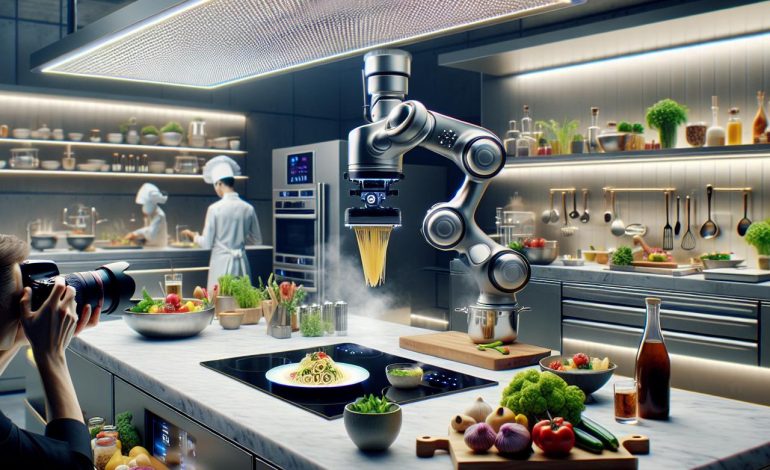
Turnkey Food Factory Design, Layout Optimization, and Hygienic Engineering
Every profitable food plant has a silent hero: its factory layout. Long before your first batch rolls off the line, the right turnkey food factory design can decide your margins, your compliance risk, and even your brand reputation. If you are planning serious food business growth, the blueprint matters as much as the recipe.
Why Turnkey Food Factory Design Is Now a Boardroom Topic
The modern food and beverage industry is under pressure from every direction: stricter regulations, volatile raw material prices, energy costs, labor challenges, and unrelenting demand for speed and consistency. According to the FAO, global food production must keep rising sharply to feed a growing population, even as land, water, and energy become more constrained. At the same time, the global processed food market continues to expand, with Statista estimating it at over USD 6 trillion annually and still growing, driven by urbanization and convenience-focused consumers. In this context, a poorly designed factory is not just an operational headache; it is a strategic risk.
Forward-looking owners are turning to specialist Food Processing Consultants and Food Business Consultants to design integrated, turnkey plants that bake in efficiency, food safety, and scalability from day one. A robust turnkey approach brings together architecture, utilities, process engineering, automation, and hygienic engineering under one coordinated umbrella.
The Strategic Pillars of a High-Performance Food Factory
1. Process-First Layout Thinking
In an efficient plant, the layout mirrors the logic of your process, not the limitations of your building. Best-practice food factory design consultants begin by mapping every step: goods in, storage, preparation, processing, cooling, packaging, secondary packaging, palletization, dispatch, and returns. Industry engineering guidance stresses that an optimized, largely linear flow reduces backtracking, product damage, and contamination risk, while boosting throughput and cutting labor and energy waste.[1][2]
When a Turnkey Food Factory Consultant applies lean principles, they focus on minimal movement of people, material, and information. This is where a specialized Food Factory Consultant adds real value—questioning each transfer, each crossing, and each queue in the process.
2. Zoning, Segregation, and Hygienic Barriers
Food safety is non-negotiable, and factory layout is your first control point. Regulators and schemes such as HACCP, ISO 22000, and national food safety laws expect logical segregation of low-risk and high-risk zones, raw and ready-to-eat areas, allergen handling spaces, and clean versus dirty utilities. Poor zoning is one of the most common failures identified in audits and can be extremely costly to correct once the plant is operational.[1]
Effective hygienic engineering weaves together building envelope design, drainage slopes, floor covings, hygienic wall and ceiling finishes, air pressure cascades, and controlled personnel and material routes. Good Food Processing Plant Consultancy Services will insist that sanitation and maintenance access are considered at the layout stage, not retrofitted later.
3. Space Utilization and Scalability
Space is capital. Studies of industrial plants show that clear zoning and separation of material and personnel flows can improve safety compliance by more than 30% and significantly improve productivity.[3] Lean-inspired layouts often aim to use around 60% of built-up area for production, with the balance for utilities, logistics, and staff facilities in a well-thought-out footprint.[3]
Turnkey layouts should always consider phased expansion. A good Food Processing Plant Consultancy will model how your second line, new product formats, or automation upgrades will plug into the existing footprint. This matters even more for cloud kitchen business operators who might later transition into a central commissary or frozen production facility.
4. Digital Tools, Simulation, and Design Validation
The days of static 2D factory drawings are numbered. More projects are using 3D modelling and digital twin simulations to test different line configurations, personnel routes, and storage options before a single trench is cut.[7] This allows Food Product Development Consultants and plant engineers to test scenarios for peak-season demand, SKU proliferation, or new packaging formats with minimal risk and cost.
For investors, this level of visualization makes capital approval far easier; for operating teams, it reduces commissioning shocks because potential bottlenecks are ironed out in the virtual phase.
Hygienic Engineering: Designing for Cleanability, Not Just Capacity
Hygienic engineering is where food technology and plant design truly intersect. It is the discipline of specifying equipment, utilities, and building finishes in ways that minimize microbial growth, allergen residue, and foreign-body risk—and make cleaning faster, safer, and more consistent.
Key Hygienic Engineering Principles
- Cleanable-by-design equipment: Avoid horizontal ledges and hollow sections where water and product can stagnate; choose welds over crevices, and insist on sanitary pipework slopes.
- Utilities with food safety in mind: Correctly filtered and conditioned compressed air, well-designed CIP (clean-in-place) systems, and segregated drainage systems to prevent backflow are essential for robust food safety.
- Air handling as a control measure: Pressure cascades, HEPA filtration in high-care zones, and well-planned air returns help manage both contamination and condensation—critical in chilled and frozen plants.
According to the Institute of Food Technologists (IFT), inadequate hygienic design contributes significantly to product recalls and downtime. Each preventable contamination event damages brand trust and erodes the economics of otherwise strong food and beverage industry operations.
From Concept to Commissioning: How Turnkey Really Works
Turnkey food factory projects are not just about delivering a building with machines inside; they are about creating a synchronized system. The best Food Processing Services firm will integrate feasibility, business case development, detailed engineering, vendor selection, commissioning, and ramp-up support.
Typical Turnkey Project Flow
- 1. Business and market definition: Volume, product mix, channels (retail, foodservice, export, cloud kitchen business support), and service-level expectations.
- 2. Process and technology selection: Benchmarking food technology options—batch vs continuous, level of automation, and packaging formats—to align capex with your strategic position.
- 3. Layout and utility engineering: Integrating process flow, material handling, utilities (steam, refrigeration, compressed air, water, effluent), and hygienic zoning.
- 4. Detailed design and procurement: Freezing layouts, specifying equipment, tendering civil and MEP works, and coordinating OEMs.
- 5. Installation, commissioning, and training: Site coordination, validation runs, food safety system implementation, and handover with SOPs.
Here is where a seasoned Food Industry Consultant or Food and Beverages Consultants team acts as the conductor—aligning architects, structural engineers, OEMs, automation specialists, and QA managers so that what looks elegant on paper actually delivers on the shop floor.
Layout Optimization: Lean, Safe, and Worker-Centric
Optimization is not only for new plants. Many existing facilities are landlocked, capacity-constrained, or struggling with cross-contamination risks. Layout optimization projects, often led by Food Consultants or specialized food consultancy service providers, can unlock 10–30% more effective capacity through relatively modest changes: re-routing flows, re-zoning areas, adding intermediate cold rooms, or upgrading material handling.[1][2]
Common Layout Pitfalls (and Fixes)
- Crossed flows of raw and finished goods: Resolve with revised pathways, directional doors, or new interstitial corridors.
- Underutilized vertical space: Add mezzanines for utilities or packaging storage, freeing premium floor area for value-adding processes.
- Maintenance access through high-care zones: Re-route access or relocate engineering workshops to the plant “spine” to reduce hygiene risk.[2]
Worker ergonomics is another high-value lever. Inefficient workstation heights, poor access to controls, and excessive manual handling cause injuries and fatigue. As highlighted in manufacturing engineering guidance, improving ergonomic design improves morale, reduces absenteeism, and supports consistent output.[4]
Designing for Frozen, QSR, and Bakery Operations
Not all food factories are created equal. Frozen food consultants, Bakery Consultants, and qsr consultants each bring category-specific nuances to the layout and hygienic design conversation.
Frozen and Chilled Foods
Frozen and chilled plants demand carefully engineered cold chains, blast freezing or spiral freezing decisions, and condensation management at temperature transition points. Airlocks, insulated doors, underfloor heating in cold stores, and smart defrost strategies all influence both energy consumption and food safety. Turnkey Food Factory Consultant teams working in this space must understand both refrigeration engineering and product micro profiles.
QSR and Central Kitchens
QSR brands and cloud-based virtual brands increasingly depend on central commissaries to standardize quality and unit economics. Here, Restaurant Setup Consultants and indian restaurant consultant specialists design layouts that support high SKUs, flexible production, and robust traceability, often using cook-chill or cook-freeze systems to serve a dispersed outlet network.
Bakery and Snacks
Continuous ovens, proofers, and cooling conveyors require long, linear layouts and careful heat management. Bakery Consultants think in terms of line balance—ensuring mixers, dividers, proofers, ovens, and packers are balanced for target throughput, with adequate buffering and allergen control.
Making Sustainability and Compliance Part of the Blueprint
Sustainability is no longer a “nice to have” for modern plants and sustainable food brands. Layout decisions directly impact energy intensity, water consumption, and waste. For example, optimized plant layouts and vertical integration strategies can significantly reduce intra-plant transport energy, helping owners align with ESG commitments and emerging regulations.
Smart positioning of utilities blocks, waste handling, and renewable energy systems (solar rooftops, biogas from organic waste) can dramatically improve lifecycle operating costs. Meanwhile, strong traceability—from raw material intake to dispatch—must be underpinned by layout decisions that support effective segregation, coding, and data capture, reflecting evolving food safety and clean label expectations across key food industry trends.
Three Practical Design Rules for Owners and Founders
- Start with your P&L, not just your process: Before locking the layout, align with your Food Business Experts or Food Consultants on the unit economics you need—labor per ton, energy per kg, changeover time, and scrap tolerance. Let the numbers guide design decisions.
- Design for the next product, not only the first: In an era of rapid innovation, especially in functional foods, plant-based products, and convenience formats, leave space and utilities headroom for future lines. Involve Food Product Development Consultants early so you do not build yourself into a corner.
- Integrate operations and restaurant consulting perspectives: If your plant feeds QSR outlets, cafes, or cloud kitchens, make sure qsr consultants and Cafe Consultant experts co-create specifications. This ensures that packaging formats, batch sizes, and shelf life work seamlessly with front-of-house execution and the overall food business growth strategy.
Choosing the Right Consulting Partner
The difference between a merely functional plant and a future-ready asset often lies in who guides the journey. Look for Food Processing Consultants and Food Processing Plant Consultancy Services that can demonstrate:
- Cross-category experience (bakery, dairy, frozen, beverages, ready meals).
- Proven understanding of food safety standards and regulatory frameworks in your markets.
- Integration of food technology, automation, and hygienic engineering in one coherent offering.
- Ability to support not just design, but also commissioning, training, and continuous improvement.
A expert food beverages consultant will also speak the language of investors and boards, connecting your project roadmap to broader food industry trends and capital efficiency expectations.
Turnkey food factory design, layout optimization, and hygienic engineering are no longer backroom technical topics; they sit at the heart of competitive strategy in the global food and beverage industry. If you are ready to reimagine or build your next plant—from frozen foods to central kitchens to export-ready processing—now is the time to think bigger, design smarter, and partner deeper. To explore how expert design, engineering, and food consulting can transform your next project, connect with Tech4Serve, your specialist food and beverages consultant for factory design and beyond.
Further Reading from Tech4Serve
- AI & Automation in Food Processing
- Build Profitable Cloud Kitchens
- Eco‑Smart Food Factories in India
Frequently Asked Questions (FAQs)
How early should I involve consultants in a new food factory project?
Ideally, you should involve Food Factory Consultant teams and Food Processing Plant Consultancy experts right at the concept stage—before you finalize land, building footprint, or equipment orders. Early engagement allows food consultancy service specialists to align the plant layout with market assumptions, food safety requirements, utilities availability, and long-term scalability. This is particularly important given rising regulatory expectations around hygiene and traceability highlighted by organizations like the FAO. Waiting until civil work is underway almost always leads to compromises and avoidable redesign costs.
How does hygienic engineering impact operating costs?
Hygienic engineering design can significantly reduce cleaning time, chemical usage, and unplanned downtime, which directly improves line availability and plant OEE (overall equipment effectiveness). Well-designed equipment and utilities also lower the risk of contamination-related recalls, which can be devastating both financially and reputationally in the food and beverage industry. By working with experienced Food Processing Consultants and Food and Beverages Consultants, you can design layouts and systems that meet food safety standards while reducing lifetime operating costs.
Can an existing factory be optimized without major reconstruction?
Yes. Many plants can unlock substantial capacity and food business growth through targeted layout optimization rather than full rebuilds. Common interventions include re-routing raw and finished goods flows, re-zoning high-risk areas, upgrading drainage and air handling, and reorganizing storage. A skilled Food Industry Consultant or Food Processing Services firm will conduct a structured assessment, often supported by digital tools, to identify quick wins and phased investments. Industry case studies shared on platforms like FoodNavigator show that such projects can deliver measurable improvements in efficiency, safety, and flexibility without shutting down operations for long periods.


