

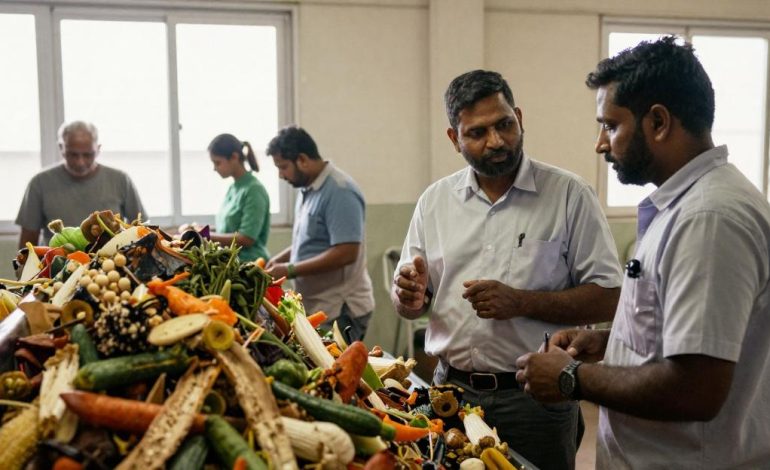
Circular Food Systems: Turning Waste into Value for Resilient F&B Businesses
The food and beverage industry stands at a pivotal moment, shifting from traditional take-make-waste models to regenerative circular food systems that prioritize responsibility and innovation. Every peel, crumb, or by-product holds untapped potential, transforming what was once discarded into profitable resources. This evolution not only drives sustainability but also delivers competitive edges through cost savings, new revenue streams, and enhanced brand loyalty, especially as global trends like AI integration and supply chain resilience gain momentum in 2026[1][2].
For food business owners, embracing circularity means reimagining operations to build resilient supply chains capable of withstanding disruptions from climate events, rising costs, and regulatory pressures. Food consultants at Tech4Serve guide businesses in this transition, integrating by-product valorisation and sustainable technologies across the value chain for long-term profitability.
Redefining Waste: From Costly Disposal to Strategic Resource
Circular food systems keep materials, nutrients, and energy in circulation as long as possible, directly supporting UN Sustainable Development Goal 12 on responsible consumption and production. Rather than sending by-products to landfills, manufacturers repurpose them, slashing waste volumes and reliance on virgin resources while cutting carbon emissions[1].
Consider a typical bakery or mithai unit: surplus dough and crumbs, often seen as losses, can be dried into fibre-rich powders for fillings or animal feed. Fruit processing plants turn peels and pulp into natural colourants, snack bars, or even edible films, creating high-margin products. In one practical example, a snack manufacturer partnered with food processing consultants to upcycle vegetable trimmings into textured protein alternatives, reducing waste by 40% and generating an additional revenue stream worth lakhs annually.
Globally, one-third of food production is lost or wasted, representing a massive opportunity. Frying oils filtered and converted to biofuel, or dairy whey refined into protein concentrates, exemplify how food processing plant consultancy services turn liabilities into assets. Tech4Serve conducts techno-economic feasibility studies to uncover these opportunities, helping food factories optimize processes and convert waste management from a cost centre to a profit driver.
Practical Steps for F&B Owners to Start
- Audit your waste streams: Track by-products by volume and composition to identify upcycling potential.
- Partner with experts: Engage frozen food consultants or food product development consultants for tailored valorisation strategies.
- Pilot small-scale: Test dehydration or fermentation on one product line before full rollout.
These steps build resilience, ensuring your supply web remains robust amid volatile raw material prices and climate impacts.
Technologies Driving the Circular Revolution in Food Processing
Advanced technologies are the backbone of circular transformation, enabling efficient by-product recovery while meeting food safety standards. Dehydration stabilises fruit pulp for powders, fermentation converts spent grains into probiotics, and membrane filtration extracts valuables from whey streams[1].
For instance, a dairy processor using extrusion technology now transforms curd by-products into ready-to-eat snacks, boosting margins by 25%. food factory design consultants like those at Tech4Serve integrate these into plant layouts, ensuring seamless adoption without disrupting production.
AI, IoT, and Data for Smarter Circularity
Digital tools supercharge resilience. IoT sensors and AI monitor waste in real-time, predicting high-loss points and suggesting optimizations. Blockchain ensures traceability, vital for transparent supply chains demanded by 2026 regulations[2]. Smart platforms calculate batch footprints, flagging inefficiencies like excess energy use in drying processes[1].
A QSR chain implemented AI-driven segregation, reducing food waste by 30% across outlets. This data-driven approach, supported by food consulting services, fosters continuous improvement and compliance.
Sustainable Packaging and Closed-Loop Logistics
Circularity extends to logistics with biodegradable films and returnable packaging. IoT-enabled cold chains prevent spoilage in perishable goods, minimizing losses[1]. Reverse logistics recovers packaging, closing the loop. Food factory consultants optimize these for efficiency, balancing eco-gains with cost control.
In India, a beverage firm adopted compostable bottles with deposit-return systems, cutting packaging waste by 50% and appealing to eco-conscious consumers.
Building Resilient Food Ecosystems Through Collaboration
Circular success demands ecosystem-wide collaboration. Suppliers provide surplus for upcycling, processors refine it, and logistics ensure flow. This symbiosis reduces resource strain and builds supply web resilience against disruptions like those from climate volatility[6].
Food business experts at Tech4Serve connect stakeholders, aligning product development with process design. For a snack network, they orchestrated a loop where bakery waste fed into protein bar production, stabilizing supplies and costs.
Economic Wins and Risk Mitigation
Circular practices yield tangible ROI: waste reduction lowers disposal fees, upcycling opens markets, and efficiency curbs import dependency. Brands gain loyalty as consumers prioritize sustainability, with 2026 trends showing upcycling as a key differentiator[1].
Resilience shines in crises; diversified inputs buffer against shortages. AI scenario planning forecasts risks from tariffs or weather, enabling proactive pivots[2].
Innovation Frontiers: Precision Fermentation and Beyond
Emerging tech like precision fermentation produces proteins from waste substrates, while AI sorts materials with 95% accuracy. Bakery consultants help convert peels into films, spent grains into crackers. Investing here positions businesses as leaders in regenerative systems.
Future-Proofing F&B with Circular Strategies
By 2026, regenerative food ecosystems will dominate, with production-reuse loops standard. AI as the plants brain, radical traceability, and flexible automation will define winners[2]. food and beverages consultants equip businesses for this, balancing profit with planetary health.
Adopting circularity today secures tomorrow: resilient supply chains, innovative products, and purpose-driven growth. Visit Tech4Serve to explore turnkey food factory consultant services and start your transformation.
FAQ: Resilient Food Systems and Supply Chains
What Are Circular Food Systems and Why Do They Matter for F&B Resilience?
Circular food systems reuse by-products and minimize waste, creating resilient supply chains that withstand climate disruptions and cost fluctuations. They turn vulnerabilities into strengths for sustainable profitability.
How Does AI Enhance Resilient Food Supply Webs?
AI provides predictive maintenance, waste tracking, and risk forecasting, enabling real-time adjustments to supply chain disruptions. In 2026, it becomes essential for operational agility[1][2].
What Is the Impact of Climate Change on Food Supply Chains?
Climate events disrupt sourcing and increase costs; circular systems mitigate this via local upcycling and diversified inputs, building adaptive resilience[6].
How Can F&B Owners Manage Risks in Circular Transitions?
Start with audits and pilots, leverage food processing consultancy services for tech integration, and collaborate across chains to share risks and rewards.
What Are Real-World Examples of Waste Upcycling in India?
Bakery crumbs become snacks, fruit pulp yields powders, and whey turns into proteins, as implemented by food processing plant consultancy projects for cost savings and new revenues.
Why Partner with Experts for Resilient Food Strategies?
Food industry consultants provide tailored designs, feasibility studies, and tech integrations, accelerating ROI while ensuring compliance and scalability.


